Solar › Battery storage
BATTERY ONLY battery storage in South Devon
Store your power for when you need it – with or without solar panels.
Get a quoteBattery storage, explained
What it is
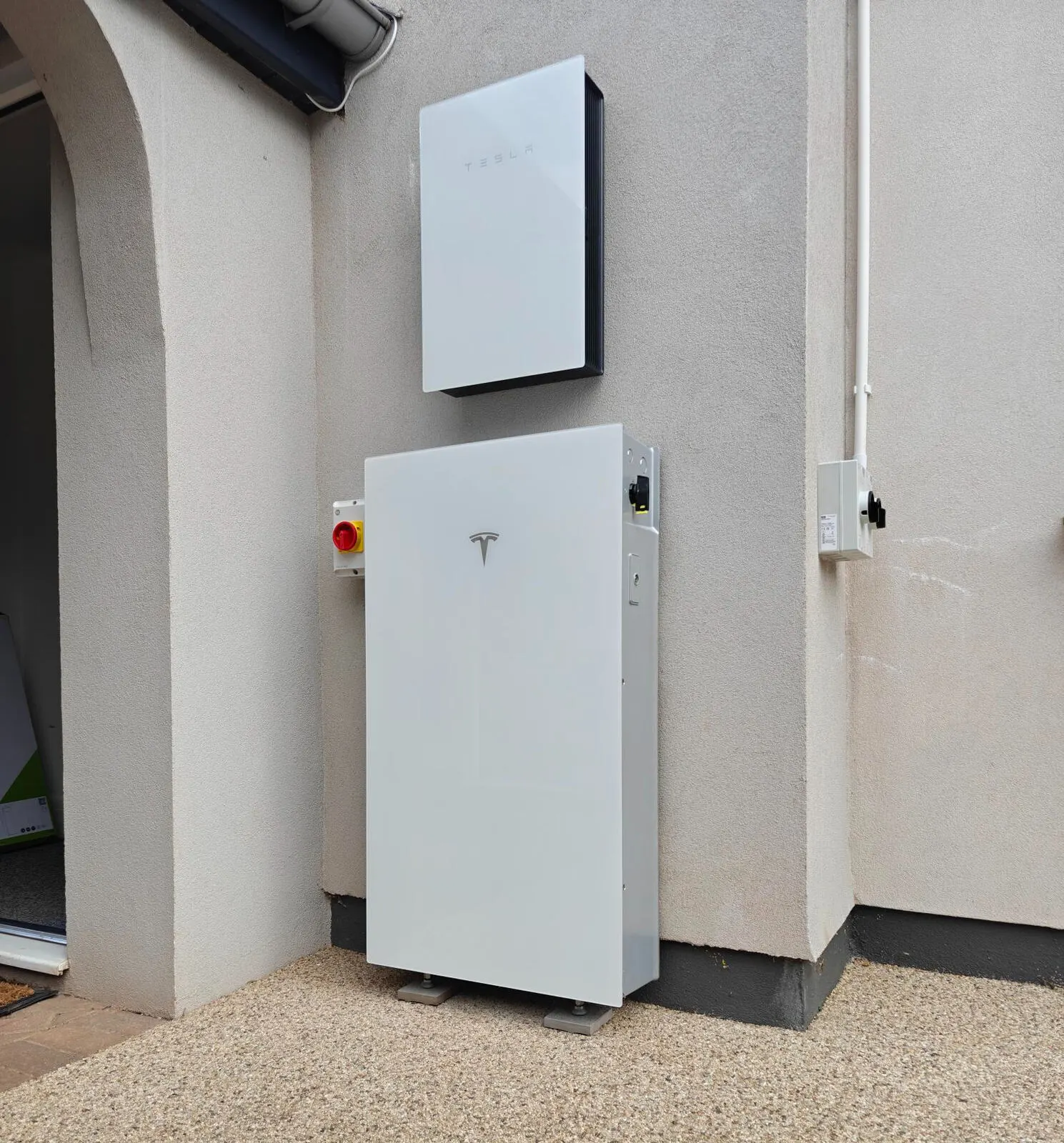
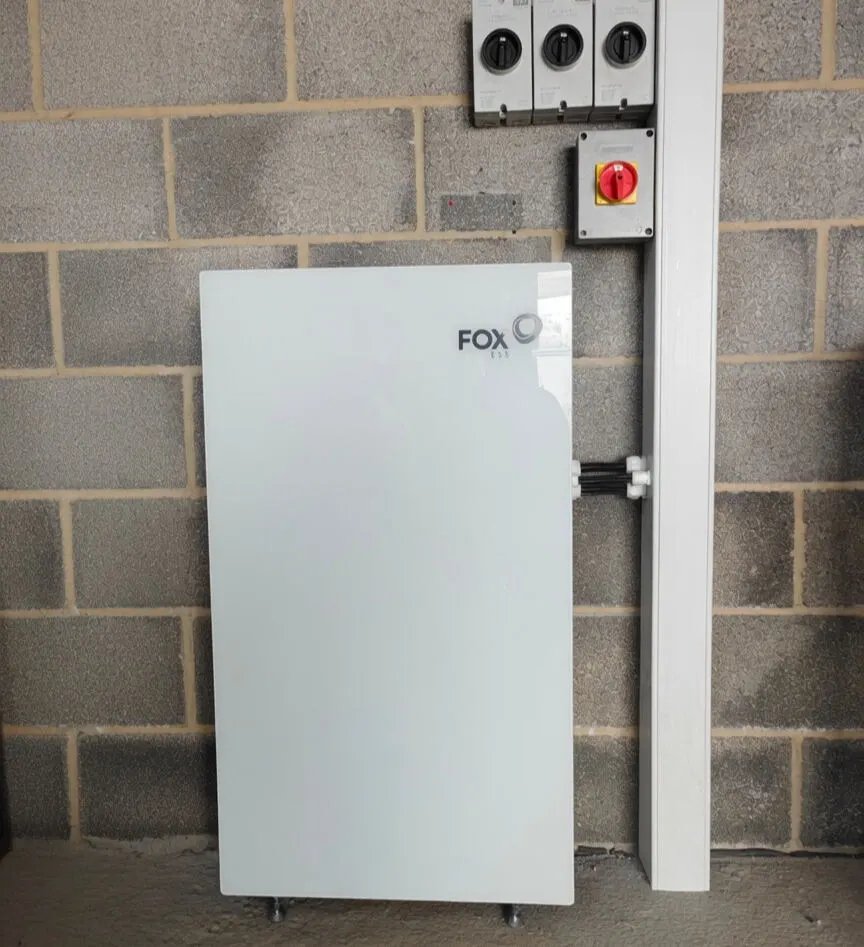
A home battery stores electricity to use later. With solar, it stores your surplus generation for the evening or a power cut.
No solar? A battery can still charge from the grid on a cheaper off-peak tariff and run your home at peak times.
We add batteries to new and existing solar systems, and to homes without solar, across Ivybridge, Plymouth and the South Hams.
Who it suits
- Homes with solar that export a lot in the day
- Households on (or happy to switch to) a time-of-use tariff
- Homes that want backup in a power cut
- Anyone planning solar later
Why it’s worth it
The benefits
Use more of your solar
Keep daytime surplus for the evening instead of exporting it.
Cheaper off-peak power
Charge when electricity is cheaper and use it at peak times, depending on your tariff.
Backup options
Some systems can keep key circuits running in a power cut.
Smart control
Monitor and manage it from an app.
Things to consider
- How much you benefit depends on your usage, tariff and whether you have solar.
- The battery needs a suitable location, which we check against current safety guidance.
- Backup power isn’t automatic on every system; we’ll explain the options.
Payback
How quickly does a battery pay back?
On its own, a battery’s return on investment is typically closer to two to six years, depending on how you use electricity and your tariff.
- No scaffolding
- No roof survey
- Nobody clambering on your roof
- Usually fitted in a day or two, with very little disruption
Typical prices
What a battery typically costs
Fitting new solar at the same time? A 5kW on-roof system with a 5kWh battery is typically £6,400–£7,500.
All prices are exclusive of VAT.
Prices are a guide and subject to a site survey, or photos you send us, so we can give you an accurate quote.
Quotes are always free. Send us a few photos and we can usually give you a reasonably accurate quote without a visit, so there’s no need to take time off work or wait in for us.
What’s included
What a typical install includes
Survey and sizing
We look at your usage, tariff and any existing solar to size the battery properly.
Battery and inverter
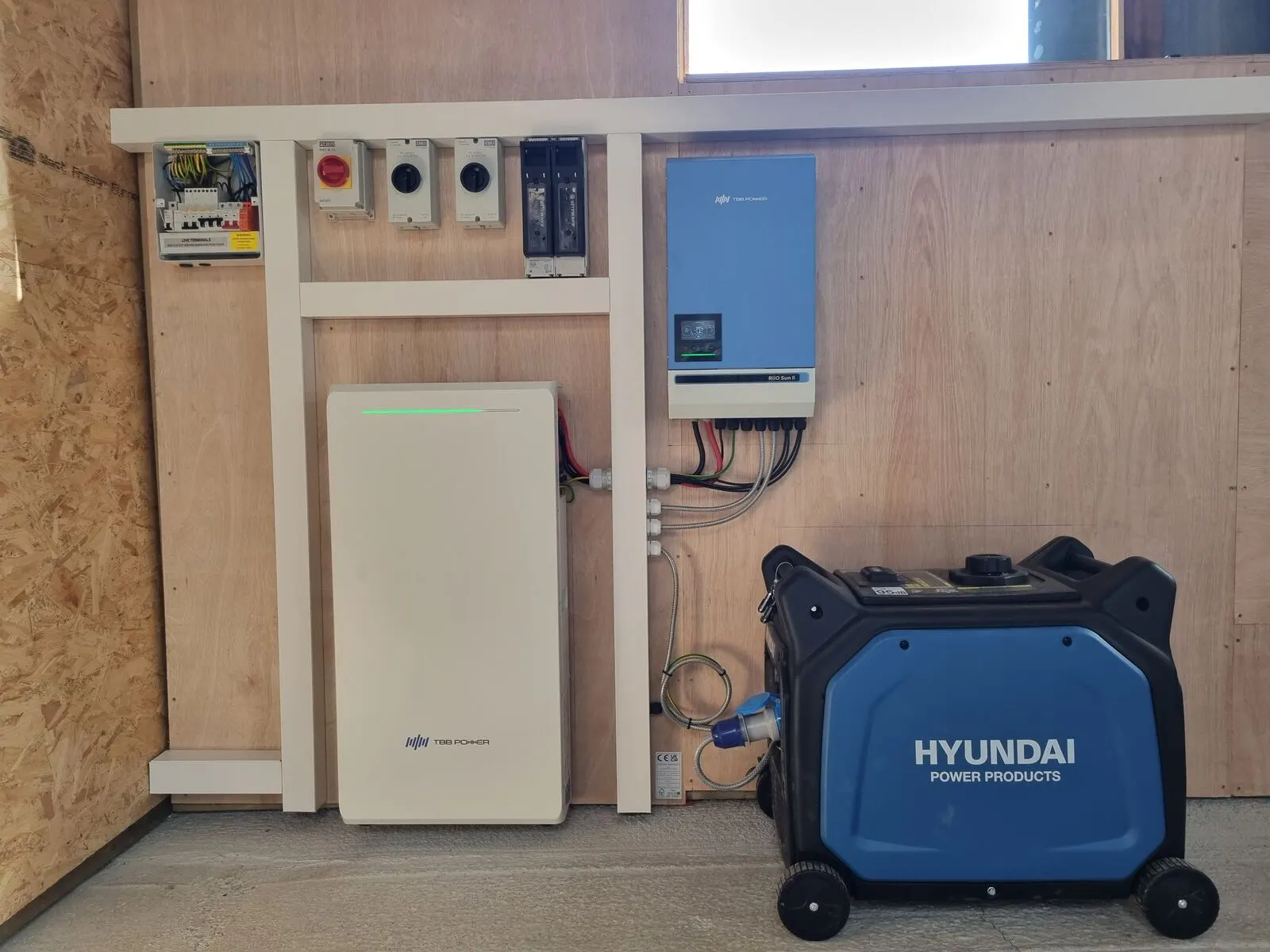
A battery plus a hybrid or battery inverter, installed in a suitable location.
Backup (optional)
Wiring for backup of key circuits if you want it and the system supports it.
Setup and handover
App setup, tariff settings, testing, certificates and DNO notification.
How it works
Four simple steps
- 1
Enquiry
Tell us about your property and what you’re after, online or on the phone.
- 2
Survey
We look at your roof or land, your usage and your supply, then send a clear estimate, usually within 5 working days.
- 3
Install
Our own team fits everything tidily: dust sheets down, clean as we go.
- 4
Handover & aftercare
We commission the system, show you the app and hand over your certificates and MCS paperwork, then call about a week later to check you’re happy.
Grid connections
Grid connections and paperwork, all handled
We have a strong working relationship with National Grid in the South West. We work with them to confirm how much your site can export and what size of solar, battery and inverter is approved for your property, whether that’s a home, business, industrial unit or farm. Every installation follows MCS, NICEIC and BS 7671 regulations. We handle the full process for you: National Grid applications, MCS registration, NICEIC certification, and your certificates and warranty documents at handover.
The technical bit: smaller systems are usually notified to the network operator after install (G98). Larger systems, which includes most commercial, industrial and farm systems, need approval before install (G99), and the network operator can set an export limit.
Rules & regulations
In plain English
A simple overview to help you plan. We check the details for your property at survey.
Where a battery can go
Current guidance (PAS 63100) sets out where home batteries can safely be installed, for example keeping them out of escape routes. We follow it when choosing the location.
Building Regulations and electrical safety
The electrical side is designed and certified to BS 7671 (the UK wiring regulations) and notified under Part P by our NICEIC-registered team. You get your certificates at the end.
FAQs
Common questions
Can I have a battery without solar?
Yes, absolutely! A battery can charge on a cheaper off-peak tariff and run your home at peak times, and we’ll tell you honestly if it suits your usage.
Will it keep my power on in a power cut?
Yes, it can, as long as the system is set up for backup! Not every system does this as standard, so we’ll explain your options and can wire in backup for key circuits if you want it.
How big a battery do I need?
We’ll do the maths for you! It depends on how much electricity you use in the evening and overnight, plus your solar if you have it, so we size it properly at survey.
Is it worth it?
Yes, for many homes it is. A battery on its own typically pays back in closer to two to six years, depending on your usage and tariff, and we’ll go through the figures for your home.
★★★★★ 230 five-star Google reviews
“Ash and crew are professional, meticulous and responsive while providing a warm family feel, their service leaves one certain they've selected the best team for the job!” – Troy Thomas







Let’s talk batteries
A few quick questions and we’ll get back to you. No obligation.
Get a quote Call 01752 200496